
|
TL; DR
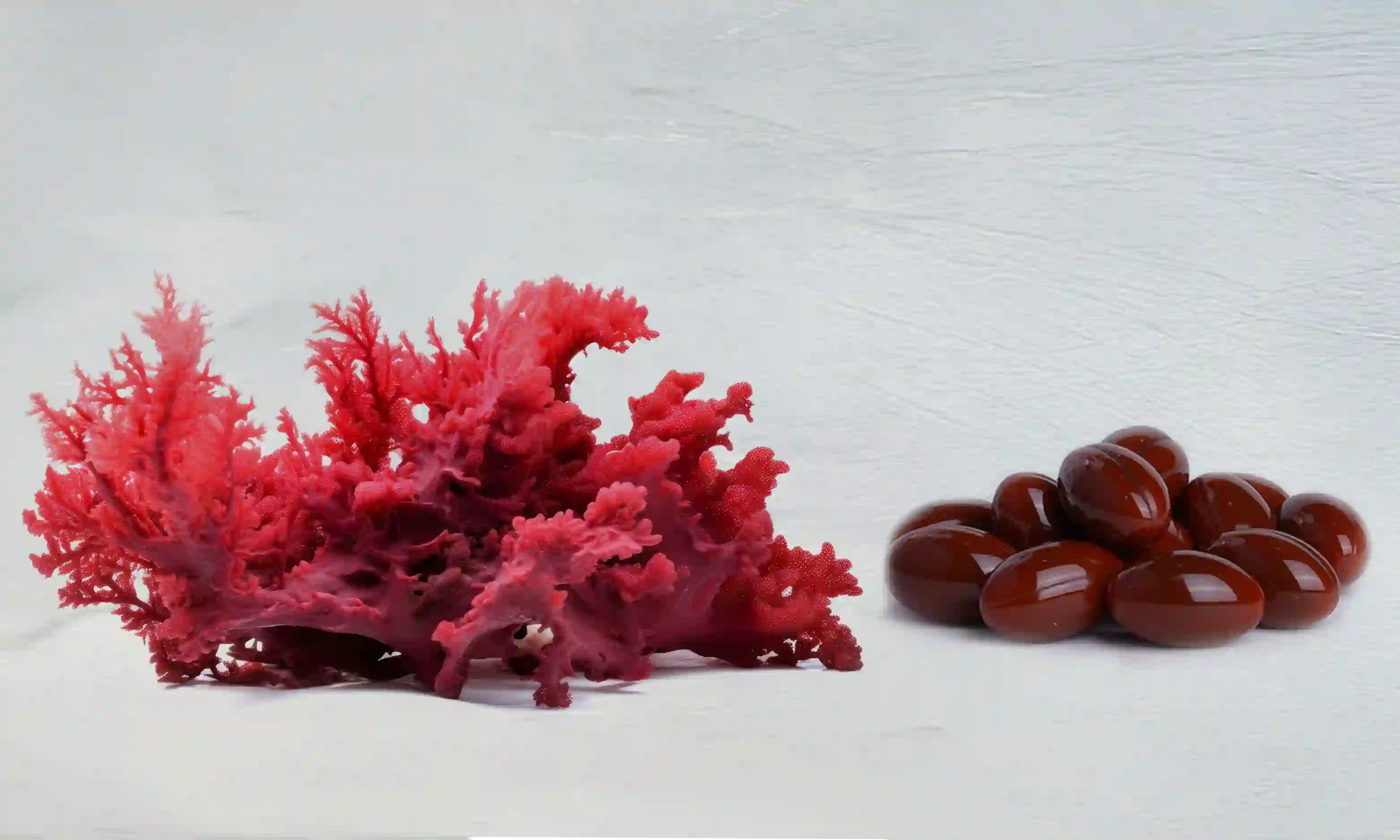
Astaxanthin is a naturally occurring carotenoid antioxidant. It’s 6,000 times more potent than Vitamin C, supporting skin health, eye protection, cardiovascular function, cognitive support, and exercise recovery. It is generally safe and well-tolerated at doses up to 12 mg daily. Natural astaxanthin from Haematococcus pluvialis significantly outperforms synthetic forms. |
You've probably seen astaxanthin marketed as one of the "strongest antioxidants." The buzz isn't limited to the supplement industry. Scientists, including those involved in space nutrition research, are increasingly interested in compounds that help combat oxidative stress.
Astaxanthin is one of the nutrients attracting that attention. It is the same compound that gives wild salmon their deep pink color and turns flamingos rosy. Still, people aren’t very aware of the astaxanthin health benefits and associated risks. Here’s the complete guide on that.
What is Astaxanthin?
Astaxanthin (pronounced asta-ZAN-thin) is a reddish pigment in a family of carotenoids. Astaxanthin was first identified by chemist Richard Kuhn in 1938. It's a strong antioxidant that help neutralize unstable molecules (free radicals) that cause oxidative stress and aging.
Molecular Structure of Astaxanthin
Astaxanthin has a unique molecular formula, C40H52O4, and a molecular mass of 594.84 g. Its chemical name is 3,3′-dihydroxy-4,4′-diketo-β-β carotene, which consists of two asymmetric carbons located at the 3′ and 3′ β-ionone rings, as shown in the image below.
 Natural Food Source of Astaxanthin
Astaxanthin has a rare natural presence. Here are some common sources of natural astaxanthin:
-
Seafood: Wild salmon, trout, shrimp, krill, lobster, and crab
-
Microalgae: Haematococcus pluvialis, the richest natural source and the basis for most supplements. It contains the highest percentage of this powerful antioxidant, i.e., 81.38%, compared to other sources.
-
Yeast and bacteria: Smaller natural sources with a small amount of astaxanthin
However, it's impossible to fulfill your body's daily astaxanthin requirements through food. Even wild salmon (the most edible source) contains only a modest amount of astaxanthin.
So, you have to eat an unrealistic quantity to reach the doses used in studies. As a result, people who want a therapeutic amount turn to astaxanthin supplements.
|
Natural Sources of Astaxanthin and Their Concentration Levels |
|
|
Phaffia rhodozyma (Yeast) |
0.4% |
|
Krill |
0.02% to 0.1% |
|
Wild Salmon |
26–38 mg/kg |
|
Trout |
6–25 mg/kg |
|
Shrimp & Lobster |
1–4 mg/kg |
|
Microalgae, Haematococcus pluvialis |
81.38% |
Natural vs. Synthetic Astaxanthin
Not all astaxanthin are the same. The following table compares natural and synthetic astaxanthin.
|
Comparison |
Natural |
Synthetic |
|
Source |
Produced by microalgae (Haematococcus pluvialis) |
Produced in laboratories using petrochemicals |
|
Chemical structure |
3S, 3'S form |
It contains a mix of 3S, 3S, 3R,3'R, and 3R,3'S forms, with a higher amount of 3R,3'S. |
|
Molecular structure |
Perfectly fit in cell membranes |
Doesn’t fit in cell membranes |
|
Bioavailability |
Higher |
Lower |
|
Antioxidant power |
6000x more potent than Vitamin C, 800x stronger than CoQ10, 110x more potent than Vitamin E, and 5x stronger than β-carotene |
Significantly less potent |
|
Safety approval |
GRAS approved |
Not classified as GRAS |
How Astaxanthin Works at the Cellular Level
When you ingest astaxanthin, it mixes with bile acids in your intestine, which helps absorb lipids.
This mixture forms tiny lipid molecules called micelles in the intestine. These micelles help astaxanthin pass through the intestinal walls and ride along in your blood using special transporters called LDL and HDL (the same ones that move cholesterol).
Then, it travels to different organs where it's needed. This is how astaxanthin reaches various tissues in your body.
Once astaxanthin reaches inside your cells, it acts as an antioxidant and anti-inflammatory agent. Its unique molecular structure penetrates across the cells in both water-soluble and fat-soluble environments.
-
Role in Oxidative Stress
Astaxanthin contains conjugated double bonds, hydroxyl, and keto groups. It donates electrons to free radicals (Malcangi et al, 2026)1, which:
-
Converts free radicals to a more stable product
-
Terminates the free radical chain reaction that would otherwise damage proteins, fats, and DNA
Astaxanthin also shows better biological activity because it links with the cell membrane from the inside to the outside.
-
As an Anti-Inflammatory Agent
Emerging lab research shows that astaxanthin has anti-inflammatory properties (Malcangi et al, 2026)1.
-
It inhibits key inflammatory pathways, such as the NF-κB pathway.
-
The NF-κB pathway is responsible for producing pro-inflammatory cytokines.
By blocking these pathways, astaxanthin helps reduce chronic inflammation without the side effects associated with synthetic anti-inflammatory drugs.
Astaxanthin is often called the 'king of carotenoids' or the 'master antioxidant' for its potency. Wondering why? Let's explore the reason behind it.
Why is Astaxanthin Called the King of Carotenoids?
As an antioxidant, it neutralizes free radicals and helps protect against oxidative stress. Here are a few interesting facts about astaxanthin:
-
110 times more potent than Vitamin E (alpha-tocopherol)
-
Roughly 10 times more potent than other carotenoids like lutein and beta-carotene
-
Crosses both the blood-brain barrier and the retinal barrier
That's how astaxanthin supports your cells, brain, and eye health. However, that's not the whole story. Unlike some antioxidants that can become pro-oxidants, astaxanthin remains stable and protective. Therefore, even in extreme conditions, astaxanthin doesn't damage (or flip its role).
Astaxanthin Benefits: What Research Shows
Astaxanthin doesn't just neutralize free radicals. It protects the exact toxins that most other antioxidants can't reach. Based on emerging research and science, here are the benefits of astaxanthin.
-
Eye Health
The blood-retinal barrier separates the eye from the rest of the body. It's highly selective, consisting of a tight junction. It allows only selective molecules to pass through it.
Astaxanthin is one of those ingredients that can successfully cross that barrier. It delivers antioxidant protection directly to the most light-sensitive tissue in the body.
-
Eye inflammation: Astaxanthin can help reduce eye inflammation, protect the retina from free-radical damage, and improve overall eye comfort and function.
-
Healthy eye aging: Astaxanthin also supports better eye health, especially as we age. It helps protect against ocular diseases, including age-related macular degeneration, by neutralizing free radicals (Giannaccare et al, 2020)2.
-
Dry eyes: In an RCT, participants taking 6 mg of astaxanthin daily for 4 weeks showed reduced dry eye symptoms. It also improves tear production and reduces optical irritation (Tian et al, 2022)3.
-
Eye fatigue: Another study found that astaxanthin supplementation improved visual function and significantly reduced eye fatigue, particularly relevant for screen-heavy users.
Moreover, astaxanthin is being studied for its strain- and blue-light-protection properties. Overall, astaxanthin can play a crucial role in protecting the retina from damage.
-
Skin Health
Recently, astaxanthin has been used in countless skin care products. This is its best supported use. Here's how adding astaxanthin to your skincare routine benefits you:
-
UV protection: Astaxanthin blocks the sun's rays, which are known to accelerate skin aging and cause damage. A comprehensive investigation conducted on 23 healthy adults found that 4 mg of astaxanthin daily mitigates UV damage. Even in regions of skin not exposed to UV rays, Astaxanthin helped promote softer, smoother skin (Davinelli et al, 2018)4.
-
Skin elasticity: A 2021 systematic review of clinical trials found significant improvements in skin elasticity and hydration with regular astaxanthin supplementation.
-
Anti-aging effects: By combating oxidative damage, the key driver of skin aging, astaxanthin, may help reduce wrinkles and fine lines. It also protects mitochondria in skin cells, boosting energy production and skin healing.
-
Collagen support: A combination of 2mg astaxanthin with collagen supplementation was found to enhance collagen synthesis and support skin cell structure and integrity.
Astaxanthin can be a helpful addition to your skincare routine. You may add an astaxanthin softgel supplement or a genuine topical product that actually delivers.
|
Did You Know |
|
Astaxanthin was ranked among the top compounds in human skin health research in the 2024 American Academy of Dermatology ranking. |
-
Heart Health
Astaxanthin antioxidant properties have shown a direct impact on cardiovascular health. It combats lipid peroxidation, contributing to healthy cardiovascular aging.
-
Improve heart health: A randomized controlled trial involving 60 participants found that astaxanthin supplements may improve blood circulation and reduce markers of oxidative stress associated with heart disease (Mohammadi et al, 2025)5.
-
Balance lipid levels: Research shows that astaxanthin may help reduce LDL (bad) cholesterol, total cholesterol, and triglycerides (Ciaraldi et al, 2023)6.
Though most of these studies are limited, the evidence is still developing, so this is an area to wait and observe, rather than claim.
-
Cognitive Health
Astaxanthin is one of those antioxidants that cross the blood-brain barrier. That's why, unlike other nutrients, astaxanthin directly supports brain tissues.
-
Neuroprotection: Astaxanthin may protect the brain by reducing oxidative stress and inflammation, two central contributors to neurodegenerative diseases.
-
Natural defense against TBI: A 2020 study suggests that astaxanthin may naturally defend against traumatic brain injury (TBI) by reducing oxidative stress and preventing brain cell death. However, the results are from animal studies.
-
Synergistic brain nutrients: In clinical studies, combining astaxanthin with tocotrienols for 12 weeks significantly improved verbal and composite memory in healthy adults.
This research directly confirms the synergistic property of astaxanthin for brain health.
|
Want to Buy Astaxanthin + Tocotrienols Combo? |
|
Wellness Extract's Astaxanthin-GG pairs 12 mg AstaREAL® astaxanthin with DeltaGold® tocotrienols and GG. The power three natural antioxidants in one daily softgel, made for skin, eye, and healthy-aging support. |
-
Athletic Performance
Astaxanthin may make your exercise more effective by reducing the likelihood of muscular tiredness and boosting your stamina.
-
Glucose metabolism: Astaxanthin has also been shown to support glucose metabolism, potentially improving blood sugar regulation and energy utilization during exercise (Brown et al, 2018)7.
-
Improve performance: Regular astaxanthin supplementation may help boost exercise metabolism, performance, & recovery indices due to its potent antioxidant activity (Brown et al, 2018)7.
Additionally, astaxanthin enhances overall mobility, walking speed, muscular strength, and endurance in an aged population.
-
Bone/ Joint Health
Emerging research suggests astaxanthin may play a supporting role in skeletal health.
-
Improving bone density: The study shows that astaxanthin may be beneficial for age-related osteoporosis by preserving bone mass, maintaining serum calcium/phosphorus levels, and increasing bone mineralization rate.
-
Supports bone health: Researchers conducted a study with rats and found that astaxanthin may help protect bone health in people with diabetes and gum disease.
-
Enhancing cartilage repair: The study was conducted in rabbits with osteoarthritis induced by knee ligament damage. It has been found that astaxanthin may help improve cartilage condition and also help regulate matrix metalloproteinases (MMPs), enzymes that break down cartilage (Huang et al, 2015)8.
Although tested in animals, astaxanthin may improve bone health in individuals with diabetes and other metabolic conditions.
Researchers are also currently exploring astaxanthin's potential for stage 3a kidney diseases and liver health, particularly in preventing NAFLD, ischemia, and liver fibrosis.
Astaxanthin Benefits at a Glance
Here’s a compiled table showing astaxanthin benefits based on recent research and studies:
|
Study |
Design |
Model / Population |
Dose / Duration |
Key findings |
|
(Giannaccare et al, 2020)2 |
Systematic review |
Astaxanthin across ocular diseases (dry eye, AMD, glaucoma, diabetic retinopathy, uveitis) |
Varied |
Astaxanthin may reduce eye inflammation, protect the retina from oxidative damage, and support overall eye comfort and visual function. |
|
(Tian et al, 2022)3 |
Randomized controlled trial |
60 middle-aged/elderly patients (120 eyes), mild-to-moderate dry eye |
6 mg twice daily (12 mg/day), oral, 30 ± 2 days |
Astaxanthin supplementation was associated with significant improvements in dry eye symptoms, tear production, and reduced eye irritation compared to placebo. |
|
(Davinelli et al, 2018)4 |
Comprehensive (narrative) review |
Astaxanthin in skin health (oral + topical) |
Varied |
Astaxanthin may reduce wrinkles, improve skin elasticity and hydration, protect against UV-induced skin damage, and support anti-aging outcomes. |
|
(Mohammadi et al, 2025)5 |
Randomized clinical trial |
Patients with heart failure case |
Not specified |
Astaxanthin supplementation was associated with reduced oxidative stress markers and improvement in clinical symptoms |
|
(Ciaraldi et al, 2023)6 |
Randomized clinical trial |
Humans — prediabetes + dyslipidemia |
Varied |
Astaxanthin was associated with reduced LDL cholesterol and improved cardiovascular risk markers in individuals with prediabetes and dyslipidemia. |
|
(Brown et al, 2018)7 |
Narrative review |
Humans and animal models |
4–20 mg/day / variable |
Astaxanthin may improve exercise endurance, reduce muscle fatigue, support faster recovery, and enhance fat oxidation during physical activity. |
|
(Huang et al, 2015)8 |
Experimental animal study |
Rats, osteoarthritis model |
Injected astaxanthin (50 μM) |
Astaxanthin was associated with reduced cartilage degradation and lower levels of enzymes that break down joint tissue |
|
Inference: Across the multiple studies, astaxanthin shows consistent, clinically relevant benefits for eye health, skin aging, cardiovascular risk, and exercise recovery. |
||||
How to Take Astaxanthin Supplements?
For therapeutic purposes, your healthcare provider may recommend taking astaxanthin supplements. Always choose a GRAS-certified product that is third-party tested and additive-free.
-
You may take 1-2 astaxanthin softgels daily or as advised by your doctor.
-
Astaxanthin is fat-soluble. So, take it with a meal containing healthy fats (olive oil, avocado, nuts, or fish) for best absorption.
Astaxanthin Dosage: How Much Do You Need Every Day
There's no official recommended dose or RDA, but here's what the research says about astaxanthin safety and dosage.
-
Studies most often use 4–12 mg per day, depending on the goal.
-
Safety reviews report doses up to 24 mg/day being well tolerated in adults, with no serious adverse effects.
Safety and Health Risks of Astaxanthin
Astaxanthin has a strong safety record at typical doses. When taken at moderate levels, adverse effects are rare and mild. Here are the possible health risks of astaxanthin:
-
At higher doses, astaxanthin may cause moderate gastrointestinal discomfort, such as bloating, diarrhea, or stomach cramps.
-
May cause allergic reactions, particularly in those with seafood allergies.
Who Should Be Cautious
Astaxanthin is a powerful antioxidant, but certain individuals should avoid its use, including:
-
Pregnant and Breastfeeding Women: Due to limited research on its safety during pregnancy and lactation, it's advisable to avoid astaxanthin if you're pregnant.
-
Individuals with Allergies: If you are allergic to astaxanthin, related carotenoids, or their sources (e.g., Haematococcus pluvialis), you should refrain from using it.
-
Individuals with Low Blood Pressure: Astaxanthin may lower blood pressure; those with hypotension or blood pressure-lowering medications should use it cautiously.
-
People with Calcium Imbalances: Astaxanthin might lower blood calcium levels. Individuals with hypocalcemia or parathyroid disorders should consult a healthcare provider before starting astaxanthin.
Tip: Before starting a new supplement, always consult your healthcare provider first.
The Bottom Way
Astaxanthin, a potent antioxidant, offers a range of health benefits. While the ongoing research continues to uncover its full potential, this blog explores its key roles and positive effects. With its remarkable potential and natural sources, astaxanthin can be a valuable addition to your health routine.
Frequently Asked Questions (FAQs)
Q1. How long do astaxanthin supplements take to work?
Astaxanthin is not magic that works overnight. The actual results depend on various factors, such as your health concerns and your body's metabolism. Most of the users start noticing skin glow within 4-8 weeks. However, for solid results, you must be consistent. Consistency builds up over time.
Q2. Can I get enough astaxanthin from food?
Natural sources include salmon, shrimp, lobster, trout, and red algae, but the levels are usually too low for therapeutic effects. You’d need ~1 kg of salmon a day to match the effects of one capsule! That’s why supplements from Haematococcus pluvialis are preferred.
Q3. What is astaxanthin best for?
It’s best for reducing oxidative stress, supporting skin and eye health, boosting endurance, and overall wellness.
Q4. Does astaxanthin raise cholesterol?
No, astaxanthin doesn't raise cholesterol. Studies suggest it may help reduce low-density lipoprotein (LDL) cholesterol and improve overall cholesterol levels.
Q5. Who cannot take astaxanthin?
Pregnant or breastfeeding women, people on blood thinners, or those with allergies to seafood or algae should consult a doctor before taking it.
References:
-
Malcangi G, Inchingolo AM, Casamassima L, et al. The role of astaxanthin as an antioxidant and anti-inflammatory agent in human health: a systematic review. Int J Mol Sci. 2026;27(2):700. doi:10.3390/ijms27020700
-
Giannaccare G, Pellegrini M, Senni C, Bernabei F, Scorcia V, Cicero AFG. Clinical applications of astaxanthin in the treatment of ocular diseases: emerging insights. Mar Drugs. 2020;18(5):239. doi:10.3390/md18050239
-
Tian L, Wen Y, Li S, et al. Benefits and safety of astaxanthin in the treatment of mild-to-moderate dry eye disease. Front Nutr. 2022;8:796951. doi:10.3389/fnut.2021.796951
-
Davinelli S, Nielsen ME, Scapagnini G. Astaxanthin in skin health, repair, and disease: a comprehensive review. Nutrients. 2018;10(4):522. doi:10.3390/nu10040522
-
Mohammadi SG, Shafie D, Feizi A, Bagherniya M, Ahmadi AR, Kafeshani M. Impact of astaxanthin on oxidative markers, uric acid, and clinical symptoms in heart failure: a randomized clinical trial. BMC Cardiovasc Disord. 2025;25:779. doi:10.1186/s12872-025-05260-z
-
Ciaraldi TP, Boeder SC, Mudaliar SR, Giovannetti ER, Henry RR, Pettus JH. Astaxanthin, a natural antioxidant, lowers cholesterol and markers of cardiovascular risk in individuals with prediabetes and dyslipidemia. Diabetes Obes Metab. 2023;25(7):1985-1994. doi:10.1111/dom.15070
-
Brown DR, Gough LA, Deb SK, Sparks SA, McNaughton LR. Astaxanthin in exercise metabolism, performance and recovery: a review. Front Nutr. 2018;4:76. doi:10.3389/fnut.2017.00076
-
Huang LJ, Chen WP. Astaxanthin ameliorates cartilage damage in experimental osteoarthritis. Mod Rheumatol. 2015;25(5):768-771. doi:10.3109/14397595.2015.1008724
Disclaimer: This article is for informational purposes only and is not intended to replace professional medical advice, diagnosis, or treatment. Always consult a qualified healthcare provider regarding any medical concerns or conditions.